SCOE ALERT Parent & Student E-Bike Safety Workshop: register for the next virtual session
Sacramento County Office of Education School Toolkit
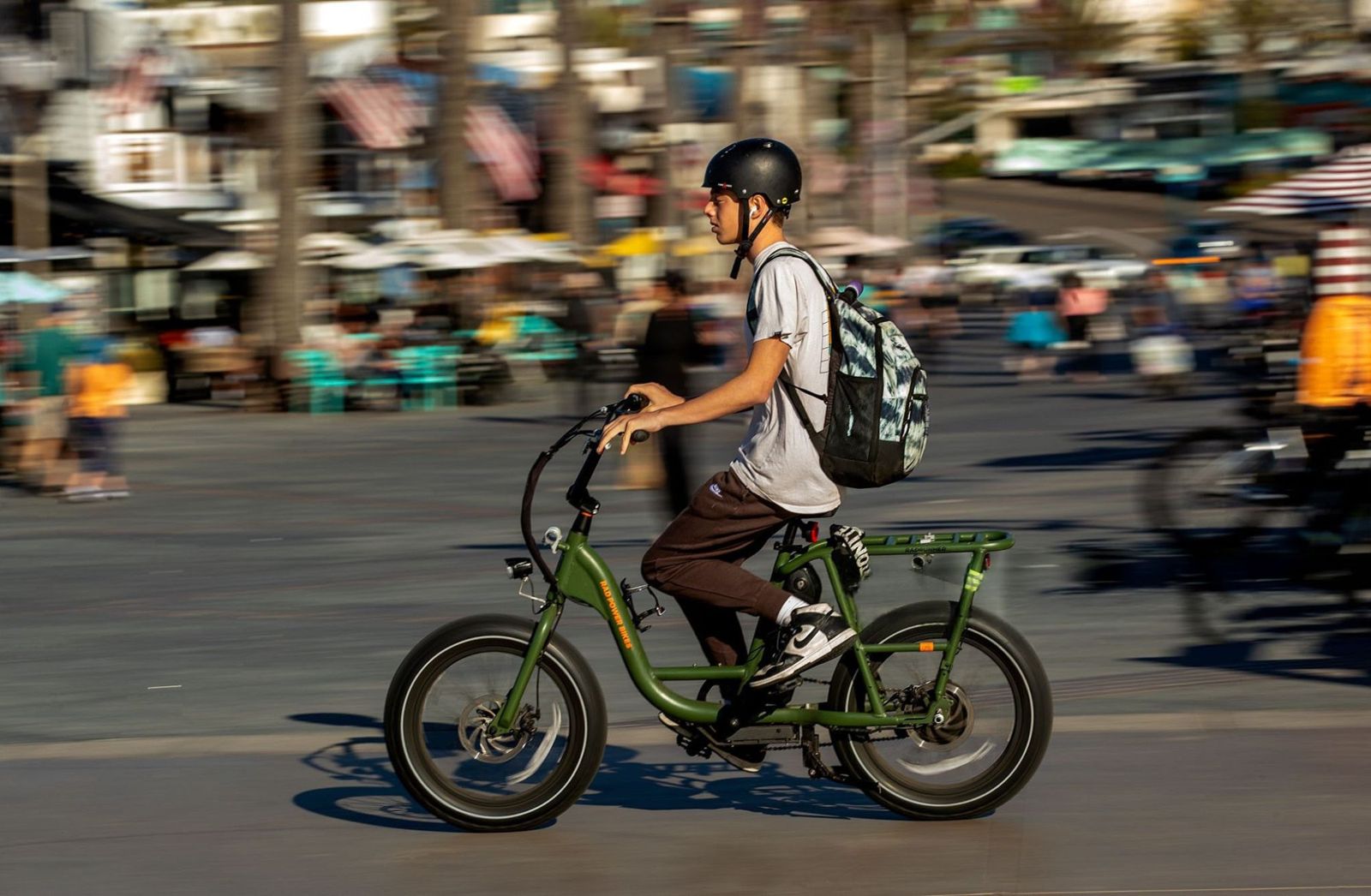
A teen in a helmet rides a green cargo-style e-bike along a busy beachfront promenade.
Sacramento County's official e-bike safety campaign

Ride smart. Ride legal. Ride safe.

E-bikes are a fast, fun way for students to get to school and around the neighborhood. Know California's e-bike classes, where you can ride, helmet rules and how to charge safely so every trip ends well.

Helmet required under 18

Properly fitted and fastened, CPSC-approved, on every class of e-bike.

Know your class limits

Class 3 e-bikes are for riders 16 and older. No passengers on Class 3.

Charge safely

Use the maker's charger. Never charge overnight, unattended or in a bedroom.

Educational initiative

Safer, more respectful streets across Sacramento County

To keep students, families and neighbors safe on Sacramento streets, SCOE launched Get Ride Ready. Learn California's e-bike classifications, pathway rules and the equipment every rider needs.

Guidelines & regulations

California law defines three classes of electric bicycles so riders know exactly what they are operating and where it belongs.

1

Class 1

20 mph

Pedal-assist only. The motor helps only while you pedal and stops assisting at 20 mph.

2

Class 2

20 mph

Throttle-assisted. The motor can move the bike without pedaling, up to 20 mph.

3

Class 3

28 mph

Speed pedal-assist up to 28 mph. Requires a speedometer. Riders must be 16 or older.

Riders under 16 may not operate a Class 3 e-bike on any public street or bike path. Class 3 e-bikes may not carry passengers.

Knowing where you are allowed to ride protects you from citations and keeps people on foot safe.

  • Class 1 and 2 e-bikes are generally allowed on bike paths, multi-use trails and bike lanes alongside regular roads.
  • Class 3 e-bikes are allowed on streets and separated bike paths. Check city and park rules before using neighborhood multi-use paths.
  • Sidewalk riding is restricted in most places unless local code allows it in specific zones. Always yield to people walking.

Safety gear is your first line of defense in a collision or fall.

Under California law, every operator and passenger under 18 must wear a properly fitted and fastened bicycle helmet that meets CPSC standards whenever riding an e-bike. Helmets are strongly recommended for riders of every age.

Wear bright or high-visibility clothing on early-morning rides to school, and make sure the bike has a working white front light and a red rear reflector or light.

Lithium-ion batteries power e-bikes efficiently, but careless charging and storage can lead to fires.

  • Only use the charger that came with your battery, or one the manufacturer approves.
  • Never charge unattended or overnight, and never in a bedroom, hallway or school locker.
  • Store batteries at room temperature, away from direct sun, heat sources and anything flammable.
  • Stop using a battery that is swollen, damaged, leaking or unusually hot. Do not put it in household trash.
On the street

What safe riding looks like

Real moments from the ride to school. Each one shows a habit to keep or a habit to drop.

Students in helmets cross a green bike crossing on e-bikes while a pedestrian walks beside them. Keep it
Helmets on, crossing usedUse the marked crossing and give people on foot the right of way.
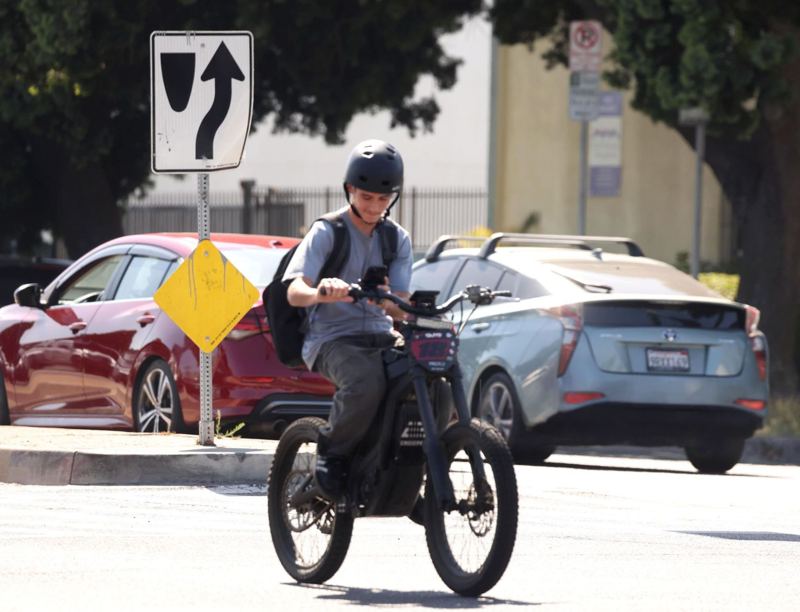
A rider in a helmet looks down at a phone while riding an e-bike through an intersection. Drop it
Phone in handEyes on the road. Pull over and stop before you check a message.
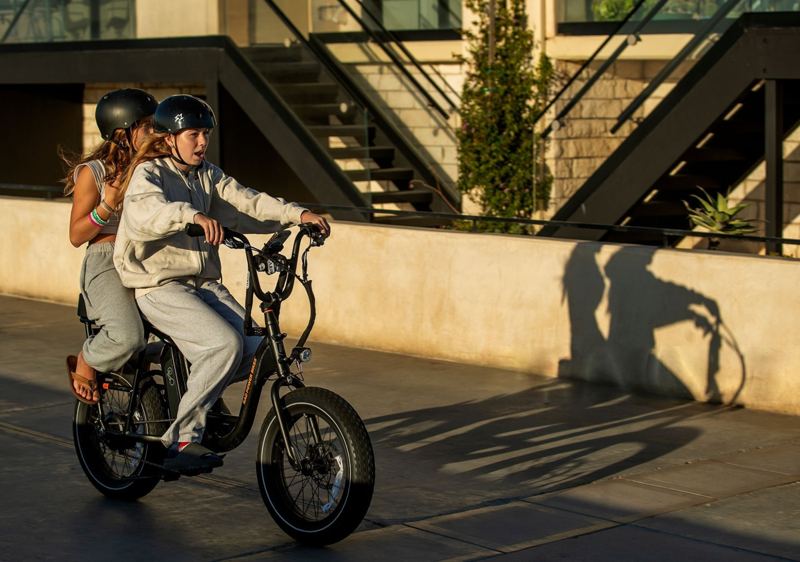
Two teens in helmets ride double on one e-bike, the passenger wearing sandals. Check it
Riding doubleOnly if the bike has a real passenger seat and footrests. Never on a Class 3.
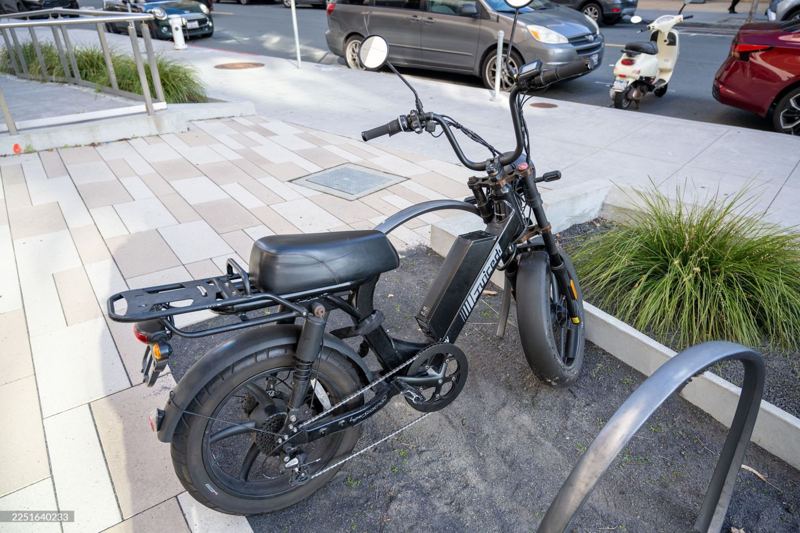
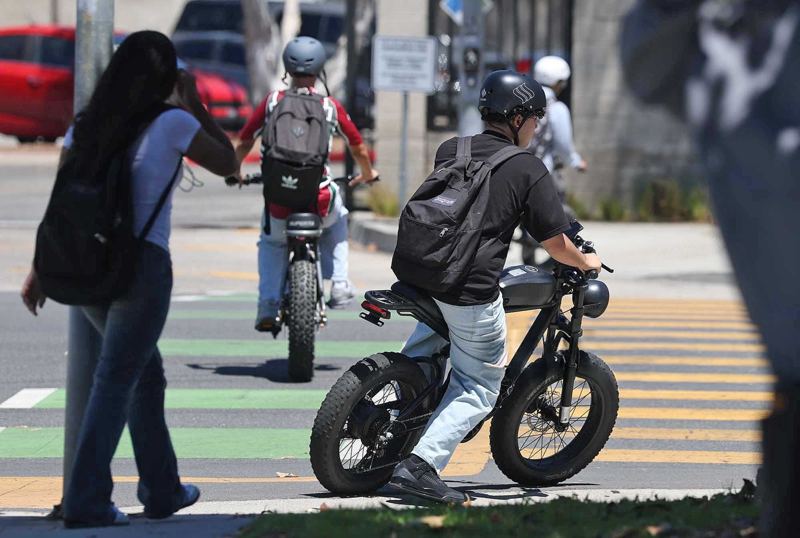
A black fat-tire e-bike with mirrors and a long bench seat parked beside a bike rack. Check it
Is it really an e-bike?Bikes with no working pedals or over 28 mph are motor vehicles and need a license.
Got questions?

Frequently asked questions

What parents, students and educators ask most about riding e-bikes in Sacramento County.

Do students need a driver's license to ride an e-bike?
No license or permit is required to operate a Class 1 or Class 2 e-bike in California. Class 3 riders must be at least 16 years old.
Are e-bikes allowed on school campuses?
Policies vary by district and school site. Many campuses provide secure bike racks but ask students to walk their e-bike while on school grounds. Check with your school office.
Can my student carry a friend as a passenger?
Only on a bike designed for it, with a proper passenger seat and footrests, and never on a Class 3 e-bike. Every passenger under 18 must wear a helmet.
Where should we charge the battery at home?
Charge on a hard, non-flammable surface away from exits and bedrooms, while someone is awake and nearby. Unplug once the battery is full.
Take the pledge

I'll ride ready.

Families, students and schools can sign the Get Ride Ready pledge to be notified about upcoming workshops and new toolkit materials.